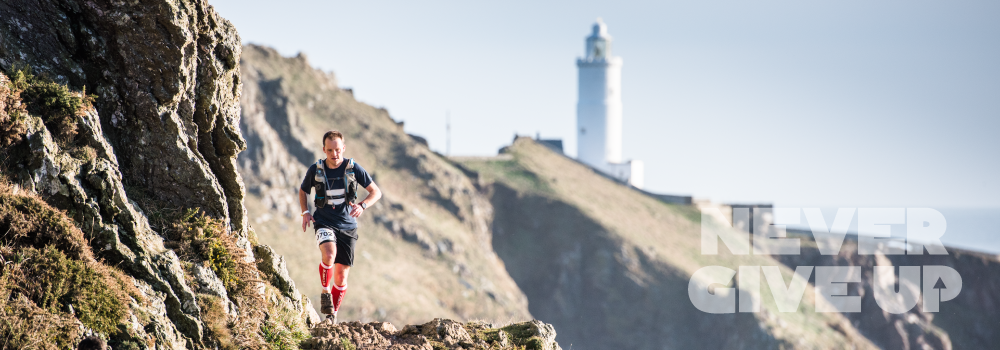
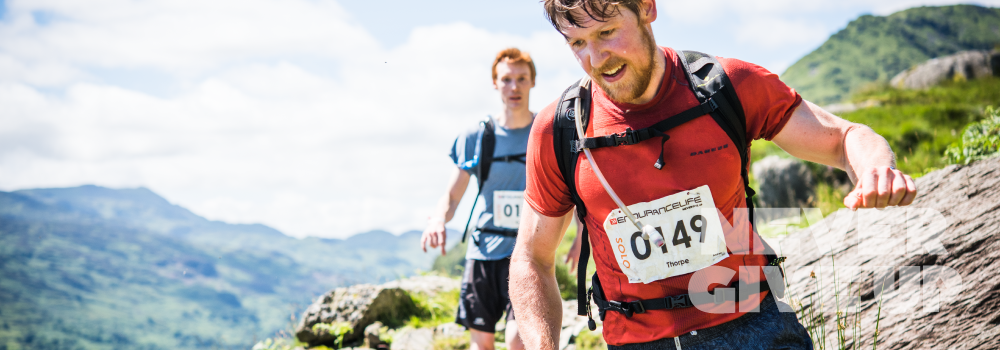
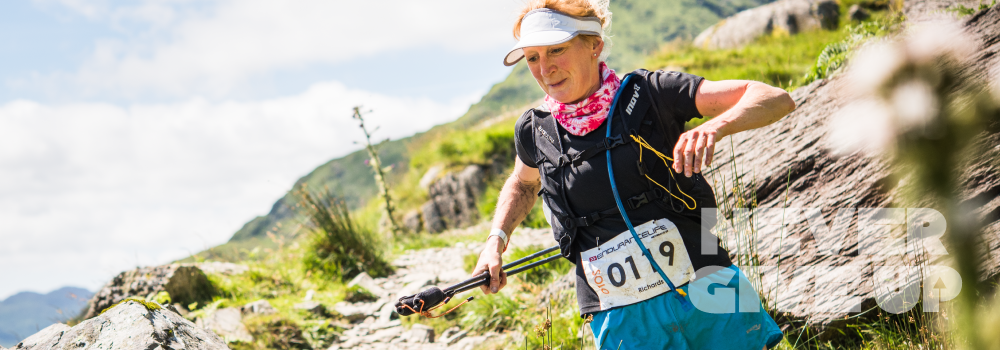
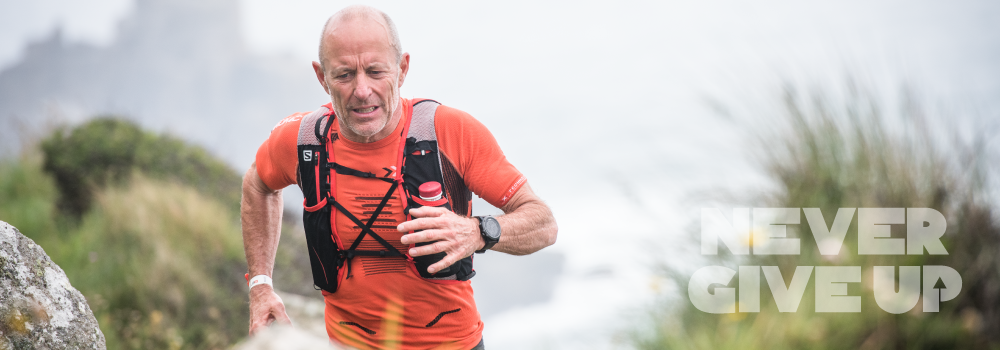
Trail running is an umbrella term used to describe the practice of off-road running. It is not atypical for routes to ascend and descend thousands of feet and steep inclines and rough terrain may require sections of hiking and/or scrambling.
The feeling of freedom that results from an hour or two out on the trails is massively addictive and It is no surprise that the sport of trail running is growing rapidly in popularity –Trail running produces a natural high and is a superb way of releasing stress and tension after a hard day or week in the office.
The Benefits
There are numerous health benefits to trail running. The most obvious are improved cardiovascular fitness and reduced body fat through aerobic exercise. In addition to these proven physical benefits are a number of mental and spiritual benefits; The effects of fresh air, open spaces and stunning scenery lead to dramatic enhancements in ones sense of well being and increased personal confidence.
Whilst certainly taxing on the lungs, trail running can be less taxing on the body’s joints compared to road running. The constantly changing surfaces and frequent inclines and declines take away much of the repetitive pounding that the joints receive during the road based activity. While the higher stride rate and increased concentration required to remain balanced on uneven terrain results in a calorie burn some 25% higher than running on even surfaces. At a reasonable pace, a trail runner can expect to expend about 120 calories a mile.
Equipment
Trail runners tend to seek out inspiring landscape such as hills, fells, mountains, deserts, forests, and (our favourite) cliff paths. Trails in these kind of locations tend to be largely inaccessible by road (except at the road heads) and are narrow, uneven and steep. They may also involve sections of muddy, rocky, wet, boggy or slippery terrain. It is therefore imperative that trail runners pay close attention to their kit choice and make sure that they carry appropriate safety items.
The most important kit is footwear, and trail shoes are utterly essential. Trail shoes are specifically designed to cope with the rigours of off-road running, they tend to be grippier and stiffer than road running shoes, and will help to prevent injury from falling or slipping. We recommend Inov-8 trail shoes, Inov-8 produce an extensive range of shoes with models appropriate for all types of terrain. A good all-round shoe and one that is suitable for the Endurancelife Coastal Trail Series is the Roclite 315.
Other recommended equipment includes wicking garments, windproof layer, water bottles, energy food, sunprotection, emergency head-torch, and emergency blanket. These items should be carried using a hip pack such as the Inov-8 Race Elite 3, or back pack such as the Inov-8 Race Elite 20 which consists of a bladder, a suck tube and a small low profile backpack.
Training
As with all training it is important to start with a specific goal in mind - events often provide the best focus for training. The Endurancelife Coastal Trail Series is a unique series of seven events that offer un-matched opportunity for goal setting, bench marking and performance tracking. We advise that you book your place(s) well in advance and use it as a goal to work towards. The earlier you book, the sooner you commit psychologically and the more effective your training will be.
For most just completing one event is challenge enough and is to be commended, but more and more people are taking up the 7x7x7 Challenge and attempting to complete all of the seven stages in the series. The 7x7x7 challenge takes commitment to a whole new level! Obtaining and sustaining the required level of fitness and avoiding injury for seven whole months is a tough mission and those that manage it deserve to wear their special 7x7x7 t-shirts with pride!